
Reliable Hot Water Starts With Proper Sizing
Water Heater Installation in West Blocton for homes experiencing inconsistent hot water, rising utility costs, or equipment nearing the end of its service life
When your current water heater struggles to meet household demand or shows signs of corrosion and leaks, replacement becomes necessary before a complete failure leaves you without hot water. Bibb Heating and Air handles water heater installation in West Blocton, working with both traditional tank models and tankless systems depending on household size, usage patterns, and space constraints. Proper sizing matters because an undersized unit runs constantly without meeting demand, while an oversized tank wastes energy heating water that sits unused.
Installation involves more than swapping old equipment for new—it requires evaluating your actual hot water needs, confirming adequate gas line capacity or electrical service, addressing venting requirements, and ensuring code compliance. Traditional tank units store heated water for immediate use, while tankless systems heat water on demand, eliminating standby energy loss but requiring higher gas flow rates or electrical capacity to heat water quickly as it passes through the unit.
Request a water heater installation estimate to compare equipment options based on your household's specific usage patterns.
How Installation Addresses Long-Term Reliability
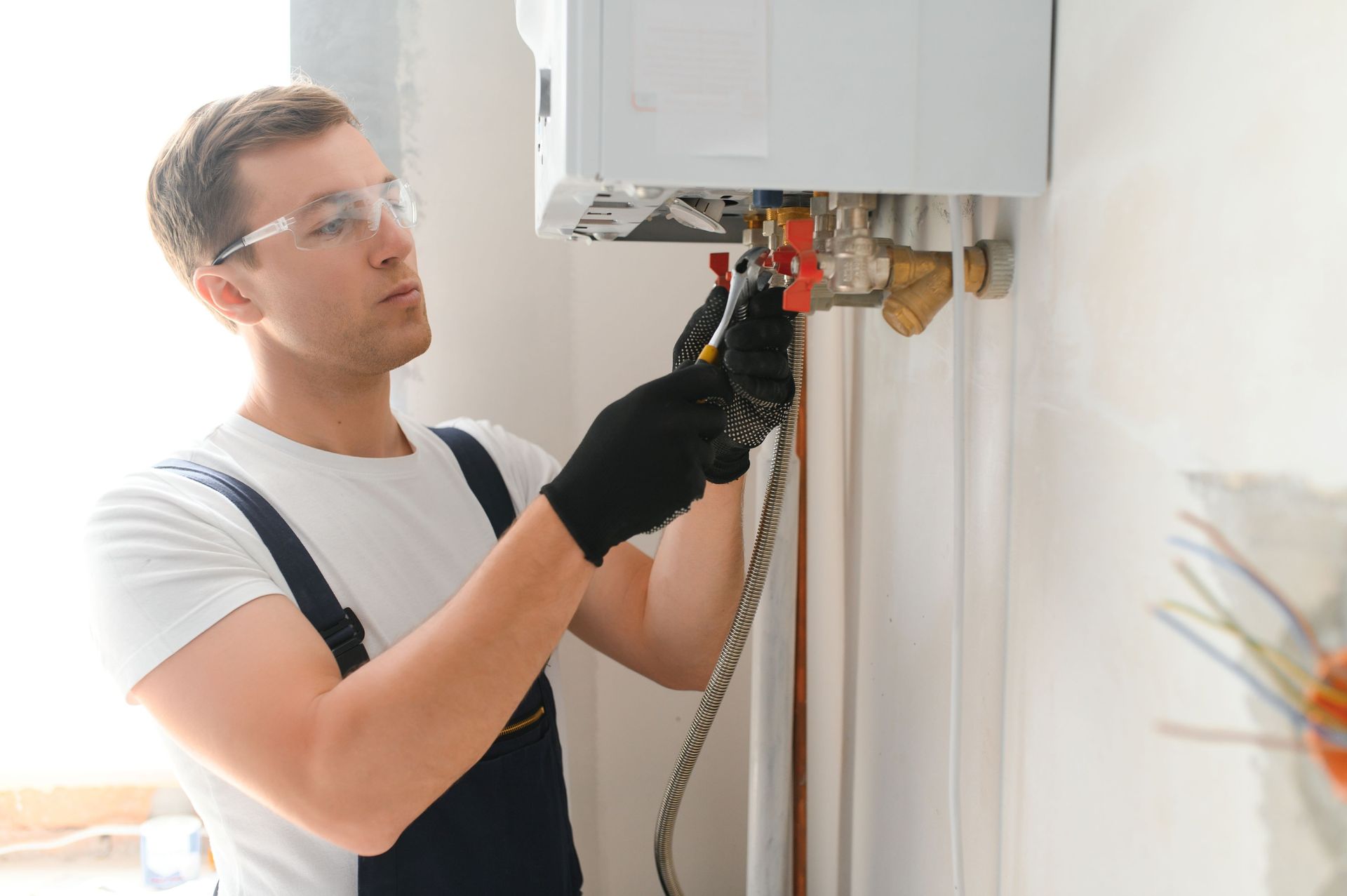
Water heater replacement addresses problems that develop as units age: sediment buildup that reduces tank capacity, corroded anodes that no longer protect the tank, and heating elements or burners that fail to maintain temperature. Installation includes removing the old unit, modifying connections if needed for different equipment dimensions, installing new shut-off valves and pressure relief components, and testing operation under actual demand conditions before considering the job complete.
After installation, you notice consistent hot water availability during peak usage times, faster recovery between showers or appliance use, and more predictable utility costs as new equipment operates at rated efficiency. Tankless installations eliminate the risk of tank flooding from corrosion failures, though they require periodic descaling in areas with hard water to maintain heat exchanger performance.
Energy-efficient models reduce operating costs through better insulation, improved burner design, or the elimination of standby heat loss entirely. The installation process also addresses safety concerns like proper venting for combustion appliances, correct gas line sizing to prevent burner starvation, and electrical grounding to meet current code requirements. Choosing between tank and tankless depends on upfront budget, available space, and whether simultaneous hot water demands justify the higher cost of on-demand systems.
Answers to Frequent Service Questions
Homeowners considering water heater replacement in West Blocton typically want to understand equipment options, installation requirements, and what changes they'll notice after the work is completed.
What signs indicate my water heater needs replacement?
Visible rust on the tank, water pooling around the base, inconsistent water temperature, strange noises from sediment buildup, or a unit approaching 10-12 years of age all suggest replacement should be considered before a failure occurs.
How do I choose between tank and tankless water heaters?
Tank models cost less upfront and work well for moderate demand, while tankless units provide endless hot water and save space but require higher initial investment and may need gas line or electrical upgrades to supply adequate energy for on-demand heating.
What happens during a water heater installation?
The old unit is drained and disconnected, new supply and drain connections are installed, venting is configured for combustion models, the unit is secured and tested, and operation is verified under typical household demand to confirm proper sizing and function.
How long does water heater installation take?
Most residential installations are completed in three to five hours, though tankless conversions may require additional time if gas lines need upsizing or electrical panels need circuit additions to handle the higher power requirements.
What maintenance do new water heaters need?
Tank models benefit from annual anode rod inspection and sediment flushing, while tankless systems require periodic descaling to remove mineral deposits from heat exchangers, with frequency depending on local water hardness and usage volume.
Bibb Heating and Air evaluates your home's plumbing configuration, available fuel sources, and hot water usage to recommend properly sized equipment that balances upfront cost with long-term efficiency. Contact us to schedule an in-home consultation and receive detailed equipment options with installation pricing.