
Zoned Comfort Without Ductwork Requirements
Mini-Split Installation in West Blocton for garages, home additions, and spaces lacking existing duct systems
Garages converted to workshops, bonus rooms added above detached structures, and home additions built without access to existing ductwork all require cooling and heating solutions that don't depend on central air distribution. Mini-split systems deliver conditioned air directly to these spaces through wall-mounted or ceiling-recessed indoor units connected to outdoor compressors via refrigerant lines that pass through small wall penetrations. Bibb Heating and Air LLC installs ductless systems in West Blocton where extending ductwork would require expensive structural modifications, where independent temperature control benefits rooms with different usage patterns, or where energy efficiency improvements justify supplementing existing HVAC equipment.
Installation involves placing outdoor condensers where airflow remains unobstructed, routing refrigerant lines and control wiring through exterior walls, and mounting indoor air handlers at locations that distribute airflow evenly without creating dead zones. Professional placement accounts for furniture arrangements, ceiling height, and thermal load patterns to optimize performance without requiring ductwork modifications.
Request an on-site evaluation to determine which mini-split configuration will meet your zoning and efficiency goals.
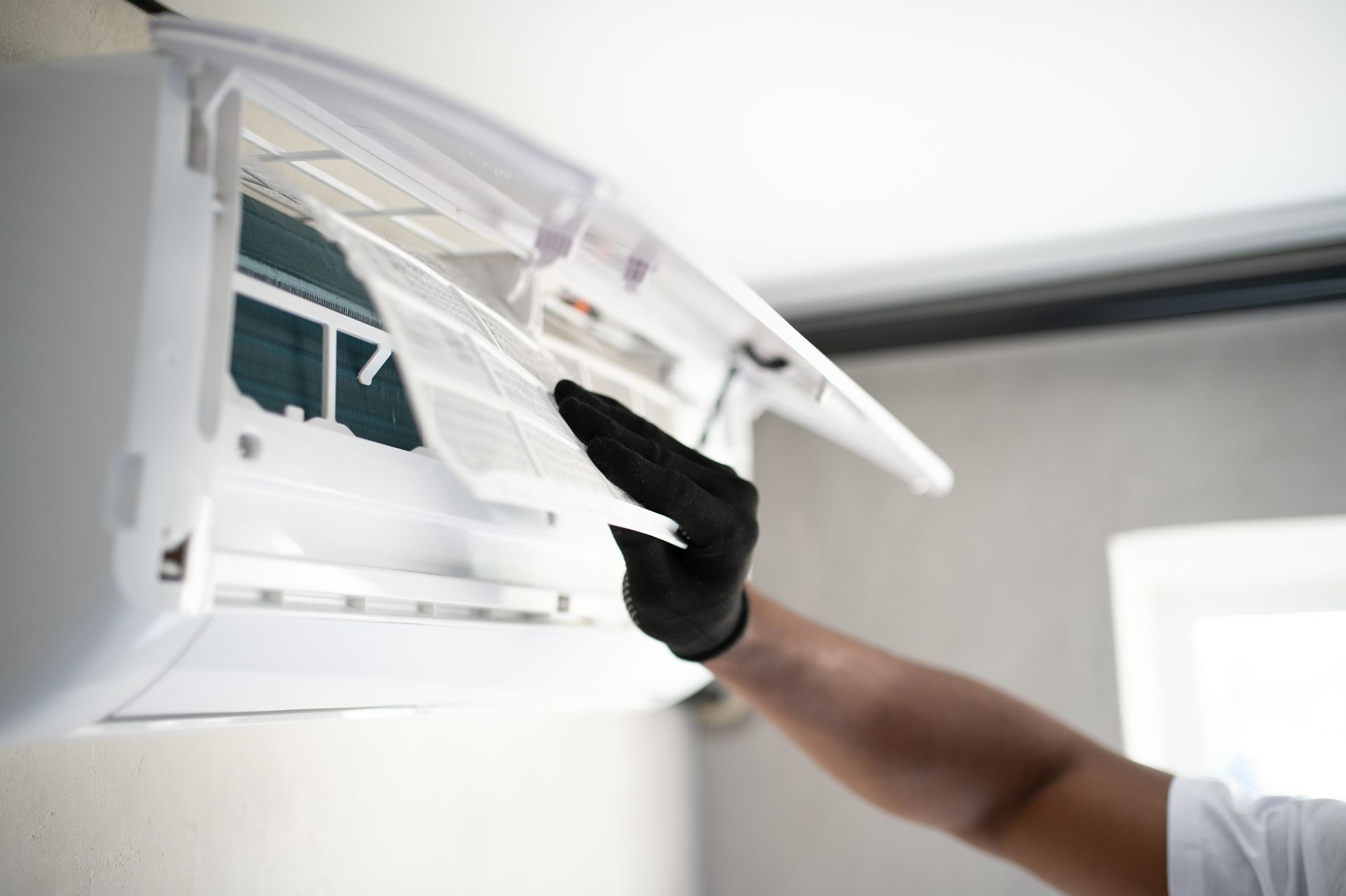
Why Ductless Installation Works for Targeted Spaces
Ductless installation includes sizing equipment to match specific room dimensions and heat gain characteristics, selecting single-zone systems for individual spaces or multi-zone configurations that serve up to five separate areas from one outdoor unit. Inverter-driven compressors modulate output continuously rather than cycling on and off, which reduces energy consumption and maintains tighter temperature control. Installation practices include vacuum testing refrigerant lines before charging, securing outdoor units on vibration-dampening pads, and programming remote controls for optimal setback and scheduling.
Once installation completes, each zone maintains its own temperature independent of other areas, rooms cool and heat without the energy losses associated with leaky ductwork, and occupants control comfort directly through wireless remotes or wall-mounted thermostats. Spaces previously unbearable during summer heat become usable year-round as ductless systems provide both cooling and heat pump heating, and electricity costs remain lower than window units or electric baseboard heaters would consume.
System selection involves choosing between single-zone simplicity and multi-zone flexibility, evaluating indoor unit styles that include wall-mounted, ceiling-recessed, and floor-standing options, and determining whether heat pump capability provides adequate winter heating or requires supplemental equipment. Installation timing matters because scheduling before peak cooling season ensures availability, and completing work during moderate weather allows thorough testing under varied load conditions.
What Property Owners Usually Ask
Ductless technology offers capabilities beyond conventional systems, so understanding how mini-splits operate and what installation involves helps property owners make informed decisions about equipment selection and placement.
What spaces benefit most from ductless mini-split installation?
Garages, bonus rooms, sunrooms, detached workshops, home additions, and any space lacking duct access benefit from ductless systems that provide heating and cooling without requiring structural modifications to extend existing ductwork.
How do mini-splits achieve higher efficiency than central air systems?
Ductless systems eliminate the 20 to 30 percent energy losses that occur through leaky ductwork, and inverter-driven compressors adjust output continuously to match demand rather than cycling on and off at full capacity. Higher SEER2 ratings reflect these combined efficiency gains.
When should multi-zone systems be chosen over multiple single-zone units in West Blocton?
Multi-zone configurations make sense when serving three to five separate areas because one outdoor unit costs less than multiple condensers, requires less exterior space, and simplifies maintenance compared to managing several independent systems.
Why does professional placement of indoor units affect performance?
Incorrect placement creates hot or cold spots, short-cycles the compressor, or forces the system to work harder than necessary. Proper positioning accounts for airflow patterns, heat sources, and usage requirements specific to each room.
What maintenance do ductless systems require after installation?
Monthly filter cleaning, annual coil inspections, and periodic refrigerant pressure checks maintain efficiency and prevent performance degradation. Indoor units include washable filters accessible without tools, making routine maintenance straightforward for property owners.
Bibb Heating and Air LLC provides equipment recommendations based on room-specific cooling and heating loads rather than applying generic sizing estimates that lead to oversized or undersized installations. Reach out by phone to arrange a ductless installation consultation that includes load analysis and placement evaluation.